Brokerage mergers, AI search and your website: what real estate agents need to know now.
More and more agents are asking a question they never planned to ask when switching brokerages: what happens to my business if my brokerage changes?
Maybe you’re the one making the move, chasing a better split, better support, or a better fit. Maybe the move is being made for you, because your firm was acquired, merged, or rebranded. Either way, the sign out front can change overnight. The question is whether everything you’ve built online changes with it.
The short answer
If your website, domain, leads and online reviews live on accounts your brokerage or a platform controls, a move can reset years of work back to zero. If you own them, your clients can still find you, your Google rankings keep building, and your marketing keeps working, no matter where you hang your license. It’s worth checking which side of that line you’re on.
 The Sign Out Front Is Changing for Thousands of Agents
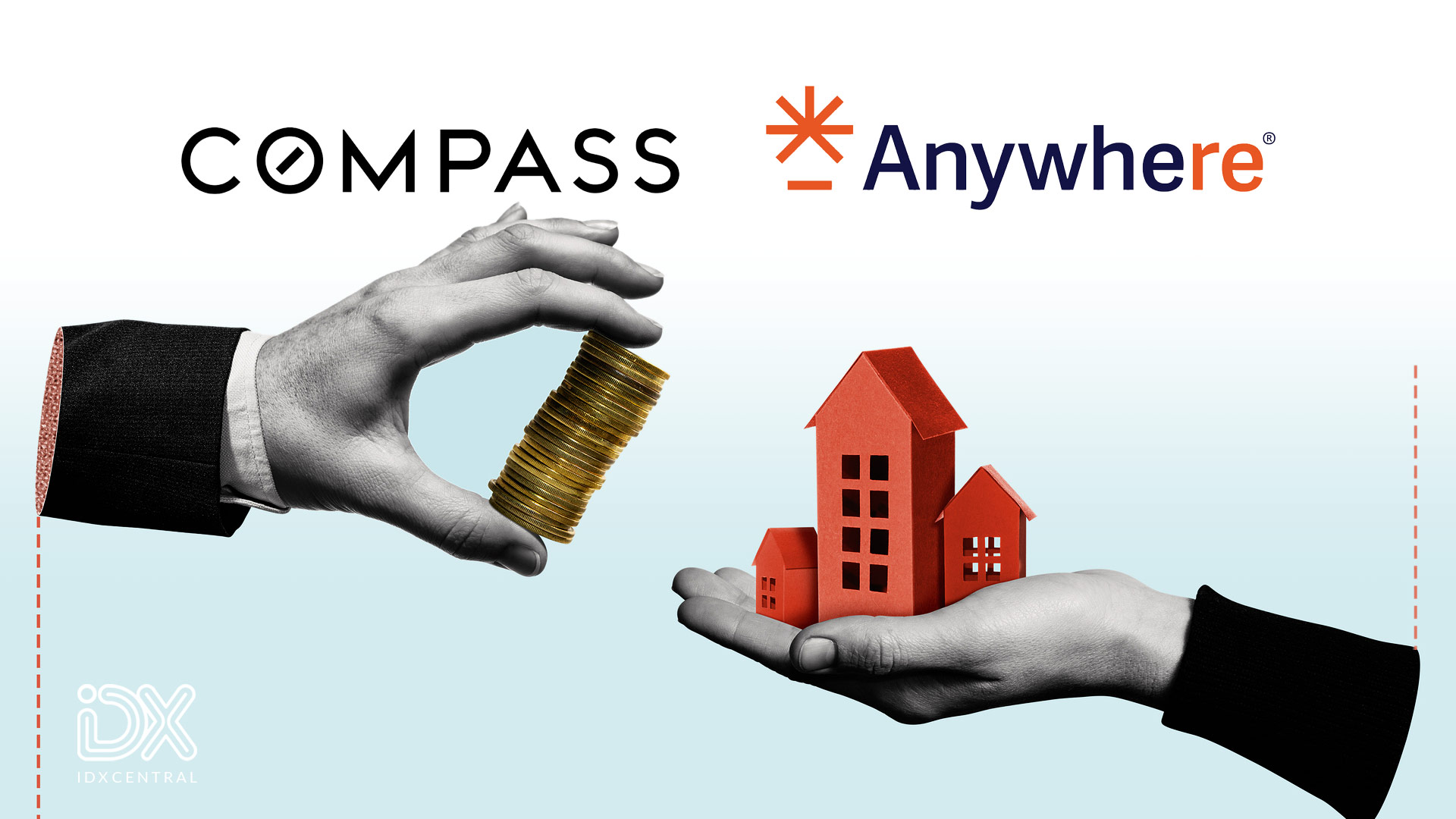
Real estate has been consolidating for years, and recent years brought the biggest move yet. In January 2026, Compass completed its merger with Anywhere Real Estate, the parent of Coldwell Banker, Century 21, Sotheby’s International Realty, Corcoran and Better Homes and Gardens Real Estate. The combined company is home to roughly 340,000 real estate professionals. In several major metros it now holds well over half the market, according to HousingWire’s reporting on a Capitol Forum analysis.
Whatever you think of the deal, mergers like this tend to bring change for the real estate agents inside them: new technology, new branding standards, new websites, new rules about where leads go. As Hoby Hanna, CEO of Hanna Holdings, told HousingWire about acquisitions, the promise is always that nothing will change, “but everything changes.”
And it isn’t just one deal. In NAR’s 2025 Member Profile, 9% of REALTORS® said they worked for a firm that had been bought or merged in the past two years.
If your website is a page on your brokerage’s site, or a template your brokerage provides, a merger can change it without asking you. That’s the core risk: your online presence should belong to your business, not to your brokerage’s org chart.
Real Estate Agents Move. Careers Last.
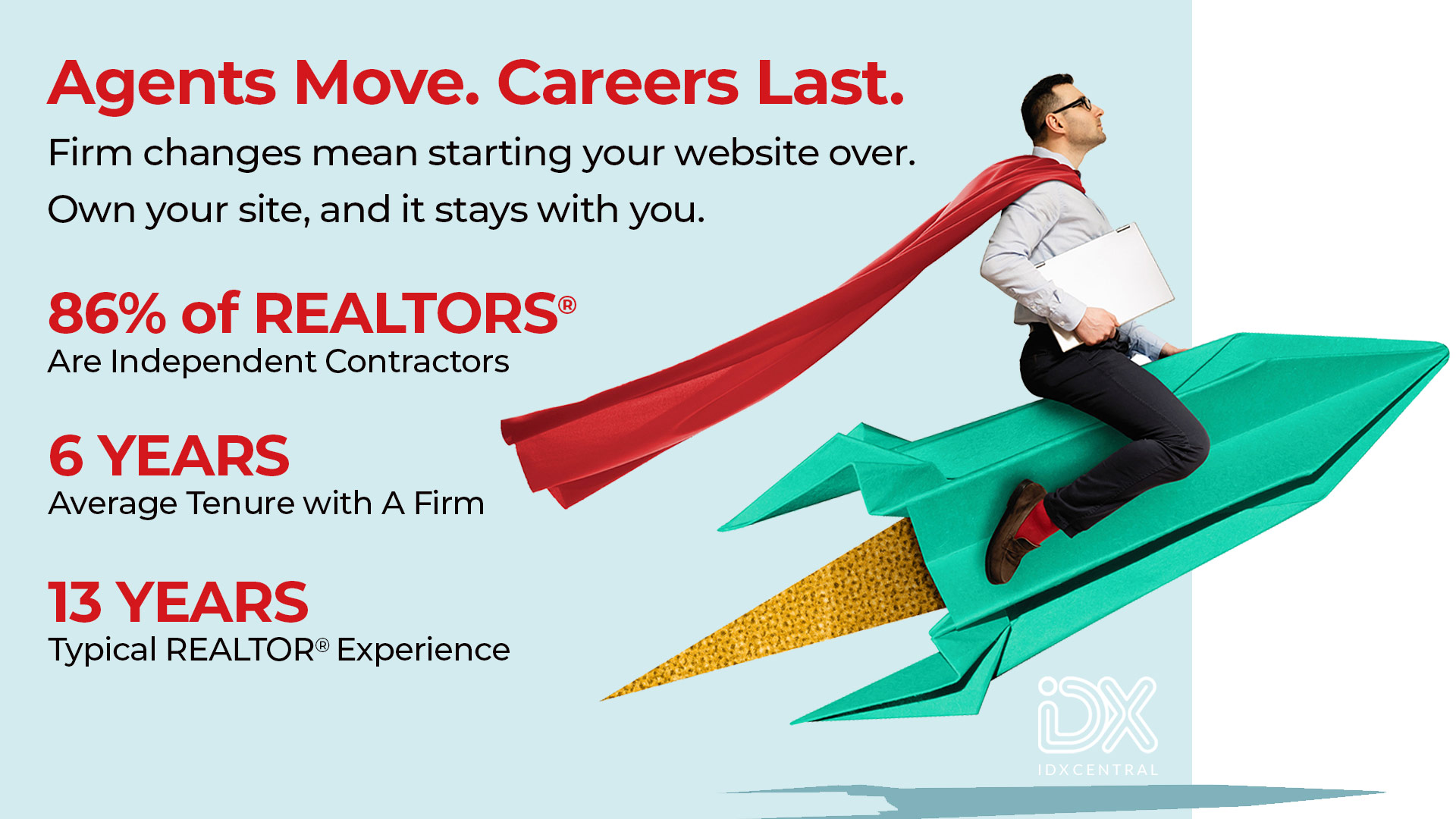
Even without a merger, most agents will change firms at some point. According to NAR’s 2026 Member Profile:
- 86% of REALTORS® are independent contractors at their firms
- The median tenure with a current firm is 6 years
- The typical REALTOR® has 13 years of experience
Put those together and the math is simple: a typical career outlasts a typical brokerage relationship, often more than once.
Meanwhile, the business you’re building is increasingly a relationship business. HousingWire’s coverage of the same NAR report found that repeat business now makes up a median 28% of members’ business, and 49% for real estate agents with 16 or more years in the industry. Those valuable past clients and referrals need to find you, not the office you used to work out of.
As Kinan Beck, an eXp Realty team leader in Austin, put it to HousingWire, relationships are what “drive repeat business and referrals — not the name on the brokerage sign.” Your website is where those relationships come back to find you. It should carry your name.
 Your Leads and Data: Who Keeps What When You Leave
This is the part of switching brokerages that catches agents off guard. Your website may be the most visible piece of your online presence, but the data behind it is often worth even more: your contacts, your notes, your lead history, your email list.
Here’s the uncomfortable reality. At many brokerages, access to company systems ends the moment you give notice. As one brokerage’s guide to switching firms warns, it happens “Not the day you leave. The moment you announce.” The same guide notes that leads a brokerage bought and assigned to you, records stored in a brokerage-owned CRM, and photos the brokerage paid for may not be yours to take. As an independent contractor why would you gamble your website, it’s data, leads, and rankings with a brokerage with a proprietary website platform you don’t own?
You can’t control your brokerage’s policies. You can control where your own marketing lives:
- A CRM connected to your own website, so the leads your site generates are captured in an account you control. We build WordPress websites that pairs IDX search with a real estate agent CRM for exactly this reason.
- An email list you can export at any time.
- Photos and video you commissioned, with usage rights in writing.
- Email on your own domain (you@yourname.com, not you@brokerage.com), so clients never have to update your contact info.
The agents who switch smoothly are the ones whose marketing already belonged to them before they ever started the conversation.
AI Search Rewards Websites That Stay Put
There’s a newer reason this matters: how buyers and sellers find agents is changing.
More consumers now ask ChatGPT, Gemini, Copilot or Google’s AI results for recommendations, like “Who’s a good listing agent in my town?” As Microsoft Advertising summed up the shift: “The goal is no longer traffic. It’s influence.”
AI tools and search engines lean on signals that build over time: a consistent name, address and phone number across the web; a body of helpful local content; reviews; and a website with a long, stable history. We cover this in depth in Can AI Recommend You as the Top Agent in Your Market? and Google’s E-E-A-T for Real Estate Websites.
Here’s the catch. A profile page on a brokerage site, or a subdomain on a platform, resets every time you move. New URL, new brand, no history. Your own domain is different. Every informative blog post, featured listing page, detailed neighborhood page and Just Sold Story you publish keeps adding to the same domain name, year after year.
Think of it like equity. Every year on a domain you own builds value. Every year on one you don’t is rent.
And once you own it, how it’s hosted matters too. Fast, reliable hosting helps search engines and AI crawlers read your site properly; see Does Better Hosting Help Real Estate SEO and AI Visibility?
“Doesn’t an All-in-One Platform Handle This for Me?”
Not the way you’d hope. An all-in-one platform handles your website, CRM and marketing while you’re a paying customer, but it can’t protect any of it when you leave. That’s because on a proprietary platform, you’re leasing your website, not owning it.
- You start over when you leave. The design, features and page structure stay behind, and your content may need to be rebuilt from scratch.
- Your SEO and leads stay with them. Years of rankings can reset, and lead history rarely transfers cleanly.
- You play by their rules. Price increases, feature limits and one vendor’s support queue, with no option to hire your own developer.
- Their business decisions become yours. If the platform is acquired, changes direction or shuts down, your site goes with it.
You don’t have to trade convenience for ownership. A WordPress website with integrated IDX and CRM gives you both. We break down the risks in more detail in Realtor Website Ownership Critical for Long Term Success.
Before you sign with any provider, ask: “What happens to my website, my content and my leads if I cancel?” If the answer is “you start over,” you’re renting.
Your Website Is Neutral Ground
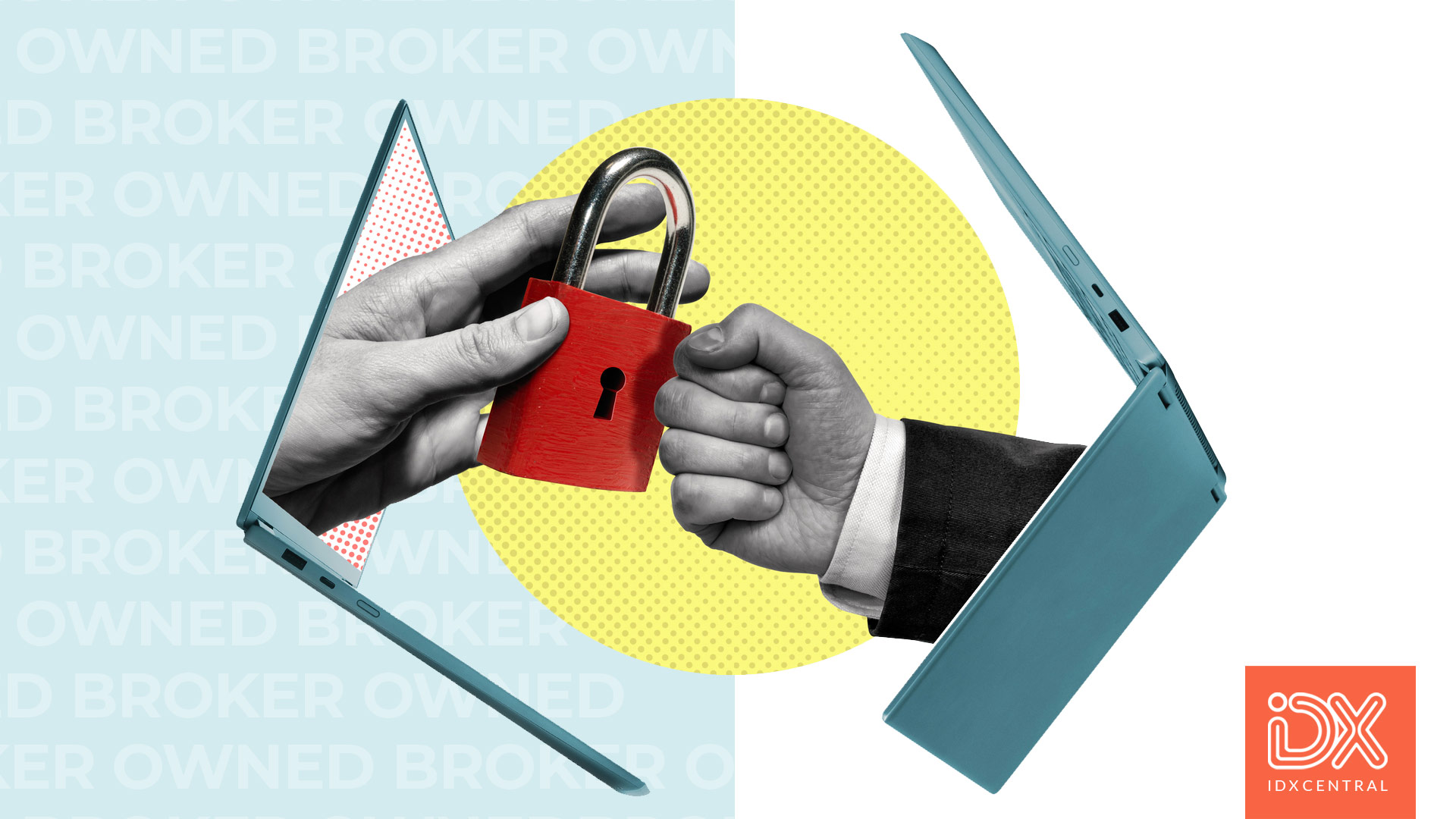
There’s a bigger tug-of-war happening, too. Large brokerages and national portals are competing over who controls the consumer, and where buyer and seller inquiries end up. In its post-merger letter to agents, Compass described plans to build a network of brokerage-owned consumer sites; the major portals have their own lead programs.
Whoever wins those battles, the rules for routing an inquiry on someone else’s website are set by someone else. Your own website is the one place online where an inquiry comes straight to you, with your name on it, every time.
Before You Switch: An Action Plan to Protect Your Business
Whether you’re planning a move, waiting to see how a merger shakes out, or just want peace of mind, work through this list. The order matters: secure what’s yours before you announce anything.
- Confirm your domain is registered in your name. Log in to the registrar yourself. If a former vendor or your brokerage registered it, request a transfer now.
- Get owner access to your Google accounts. That means Google Analytics, Search Console and your Google Business Profile. “User” access isn’t enough; you want to be the owner.
- Export your contacts and lead history. Do it before you give notice, and only take what your agreement allows.
- Back up your content. Blog posts, neighborhood pages and guides, testimonials and any photos you own.
- Read your website contract. Look for export rights, cancellation terms and any fees to leave.
- Ask how your IDX will carry over. IDX access runs through your MLS and your broker, so check what changes with your new firm. Our guide on How to Choose the Right IDX for Your MLS walks through the details.
- Plan 301 redirects if any page addresses will change, so search engines and past visitors land in the right place.
- Update your site the day you move. New brokerage name, logo and required disclosures.
- Make your name, address and phone consistent everywhere. Google, Zillow, Realtor.com, social profiles and review sites. AI search rely on consistent signals.
- Tell your past clients. A short note: new firm, same agent, same website.
For the bigger-picture checklist of everything an agent should own, see our guide to why Realtor website ownership is critical for long-term success.
Frequently Asked Questions
My brokerage was acquired. Do I need a new website?
Most likely yes. If your website is hosted by your brokerage (e.g., ://oldbrokerage.com), the acquisition means that platform will eventually be shut down or rebranded. You can’t take the site with you, because the brokerage owns the template, the data, and the domain authority. That makes this acquisition the perfect time to invest in an agent-owned website, so you never have to start from scratch if the business changes shape again.
Can I keep my website when switching brokerages?
Yes, if the domain and website are in your name. If the site lives on your brokerage’s domain or on a platform you can’t export from, you’ll typically have to start over.
Will I lose my Google rankings if I’m switching brokerages?
Not if your website and domain stay the same. Rankings are tied to your domain and its history. Changing to a new address resets much of that work, which is why owning your domain matters so much.
Does my IDX transfer when I move?
Your website can stay the same, but IDX access runs through your MLS and your broker, so your IDX account may need to be updated under your new brokerage. A good IDX provider will walk you through it.
Who owns the leads from my website?
It depends on where the leads are stored. Leads captured in a CRM you control are yours. Leads stored in a brokerage-owned system may belong to the brokerage. Check your agreement, and connect your own site to your own CRM.
 Making a Move? Ready to Own Your Website’s Future?
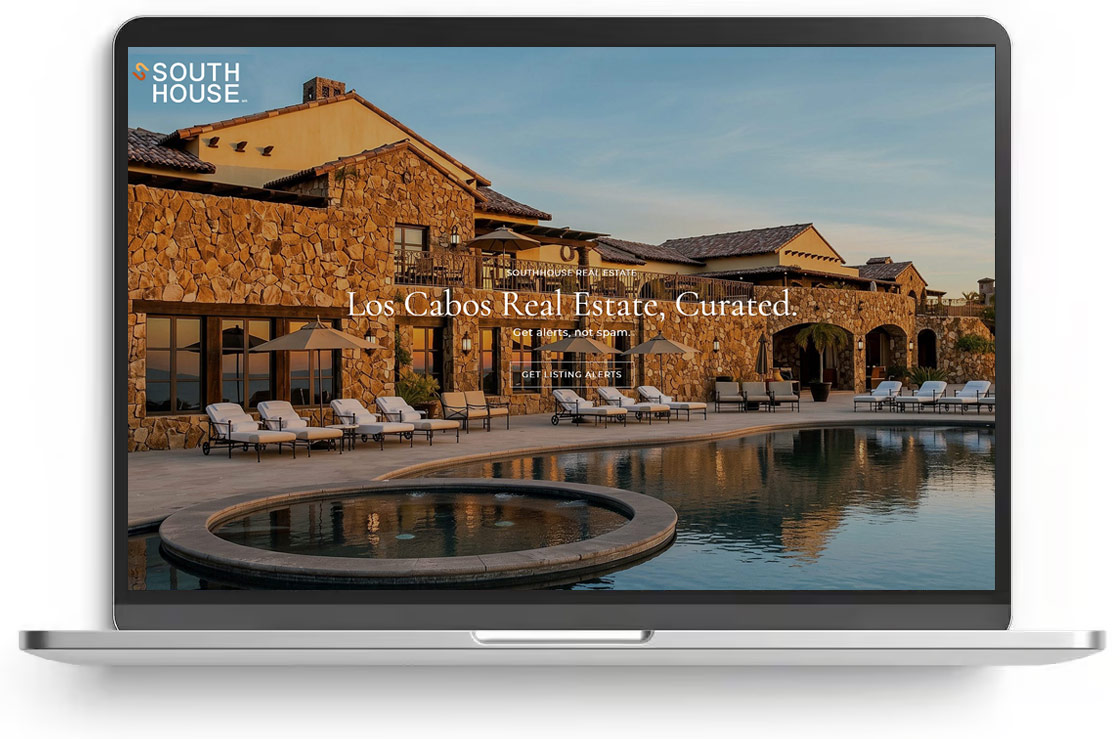
For more than 30 years, IDXCentral has built WordPress real estate websites with IDX for agents, teams and brokers, more than 5,000 of them. Our principle has always been simple: the website should belong to the agent.
Whether you’re leaving a broker-provided site, moving off a proprietary platform, or your brokerage just changed the name on the door, this is the right moment to set up a website that’s yours for good. We’ll help you make the move:
- Review what you have today. We’ll look at your current site, domain and accounts, and identify what’s worth bringing with you.
- Build your WordPress website with IDX. A site on your own domain, designed around your brand, with IDX covering your MLS listings and a CRM that captures leads in accounts you control.
- Migrate your content. We’ll bring over the blog posts, neighborhood pages, testimonials and photos you want to keep.
- Protect the rankings you’ve earned. Wherever you control the old addresses, we’ll set up redirects so search engines and past visitors find your new site.
- Stay supported. Our U.S.-based team answers the phone, and our WordPress Care Plans keep your site updated, secure and backed up.
Call (530) 577-8027 for a free consultation. We’ll map out the simplest path to a website you own, one that stays with you no matter where you hang your license.
Contact Us!
View Our Portfolio