

You’ve invested in a professional website with an IDX solution. Now, let’s ensure Google, AI platforms, and the clients searching on it all recognize you as the credible, experienced agent you are.
That’s where a framework called E-E-A-T comes in — and agents who build their real estate website around it are the ones earning lasting visibility in search results.
Here’s the good news: once you understand what E-E-A-T means and how it applies to your website, you have a clear roadmap for getting found not just on Google, but increasingly in AI-powered search tools like Google’s AI Overviews, ChatGPT, and Perplexity. The agents who invest in E-E-A-T now are building the kind of online presence that pays dividends for years.
What Is E-E-A-T?
E-E-A-T stands for Experience, Expertise, Authoritativeness, and Trustworthiness. It’s the quality framework Google uses — through both its algorithms and human reviewers — to evaluate whether a website deserves to rank prominently in search results.
While E-E-A-T itself isn’t a specific ranking factor, using a mix of factors that can identify content with good E-E-A-T is useful. – Google: Get to know E-E-A-T and the quality rater guidelines
The framework originally had three components (E-A-T), but in 2022 Google added a second “E” for Experience, recognizing that first-hand, lived knowledge carries unique value that credentials alone can’t capture. For real estate agents, this distinction matters enormously.
Why Real Estate Websites Are Held to a Higher Standard
Google classifies real estate as a “Your Money or Your Life” (YMYL) category. This includes any content that could meaningfully affect someone’s financial well-being, health, safety, or major life decisions.
Think about what’s at stake when someone buys or sells a home — often the single largest financial transaction of their lifetime. Google takes that seriously and applies stricter evaluation to YMYL content than it does to, say, a recipe blog or a travel guide.
What this means practically: a real estate website with weak E-E-A-T signals will consistently underperform in search rankings, even if the site is technically well-built, loads fast, and looks professional. Technical SEO is necessary — but it’s not sufficient. You have to demonstrate that you are a credible, experienced, trustworthy professional.
If you want to do a deep dive, Google’s Search Quality Rater Guidelines is a 182-page PDF document that tells you exactly how a trained human evaluates content quality and, by extension, what signals Google’s algorithms are designed to detect.
The Four Pillars of E-E-A-T for Real Estate Websites
Experience: Show Real Estate Buyers and Sellers You’ve Been in the Trenches
Experience is about showing that you have direct, first-hand involvement in real estate — not just knowledge you picked up from reading about it.
Google is remarkably good at detecting the difference between authentic, experience-based content and generic information that could have been written by anyone. The agent who writes about what it actually feels like to navigate a competitive multiple-offer situation in their specific market will position themselves better than the agent who publishes a generic “tips for buyers” post.
What this looks like on your website:
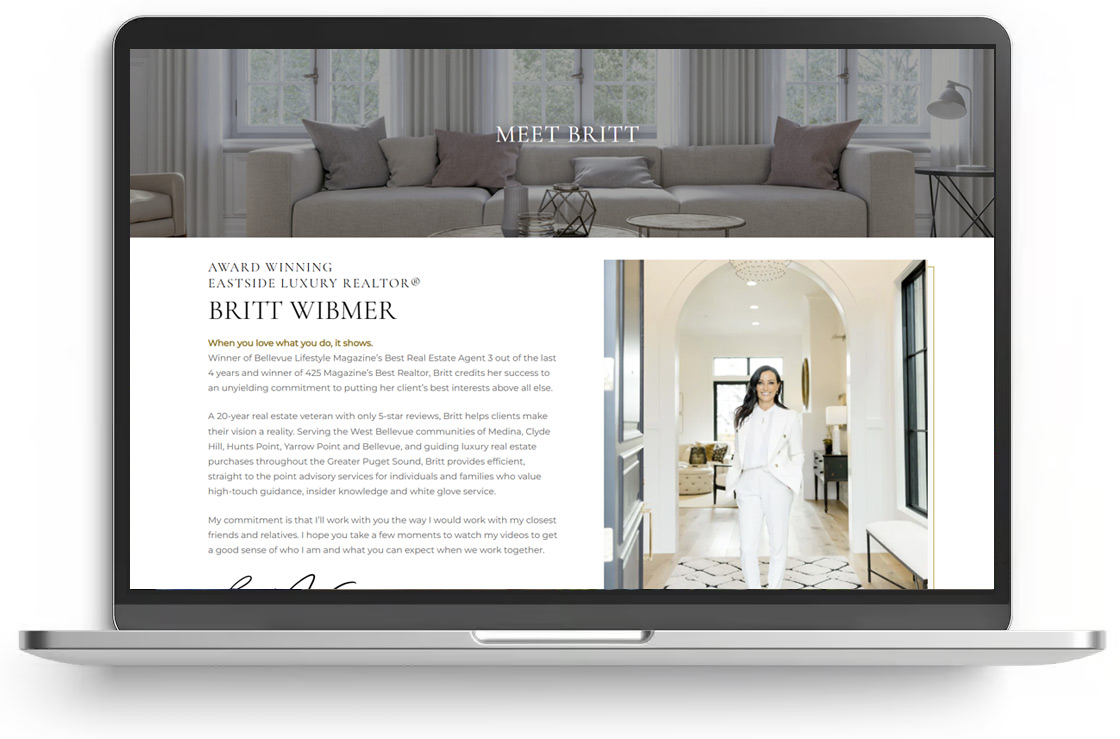
- Detailed client success stories that include real specifics — the neighborhood, the challenge, the outcome, and what you did to get there. Our website design offers “Just Sold Story” pages that are a great way for agents to demonstrate this.
- Neighborhood pages that go beyond basic stats to share personal observations: local hot spots, which districts have the best schools, what new development is about to change things.
- Property walkthrough videos where you provide the commentary, pointing out things only an experienced agent would notice.
- An “Agent Insights” section on your featured listing pages where you share your professional read on the property.
- Your real estate blog is a great opportunity to showcase your knowledge and individual perspective on the real estate market. This can be your goldmine for specific topics you know and can offer valuable insight.
- Offer powerful Buyer and Seller FAQ’s that answer questions unique to your market i.e. What are the best retirement communities in Summerville South Carolina? View these example Seller questions that can be edited for your audience.
Write content that answers specific questions. Structured content, clear answers to common questions and strong E-E-A-T signals — Experience, Expertise, Authoritativeness and Trustworthiness — are increasingly important as AI summaries become more prominent in search results. Hyper-local pages, neighborhood guides and market data built around specific questions are more likely to be cited in AI answers than generic blog content. – Inman
The goal is content that could only have been written by someone who actually does this work every day in your real estate market.
Expertise: Let Your Real Estate Credentials Do the Talking
Expertise is your professional qualifications, formal training, and depth of industry knowledge. This is the more traditional credibility signal — and it still matters a great deal.
What this looks like on your website:
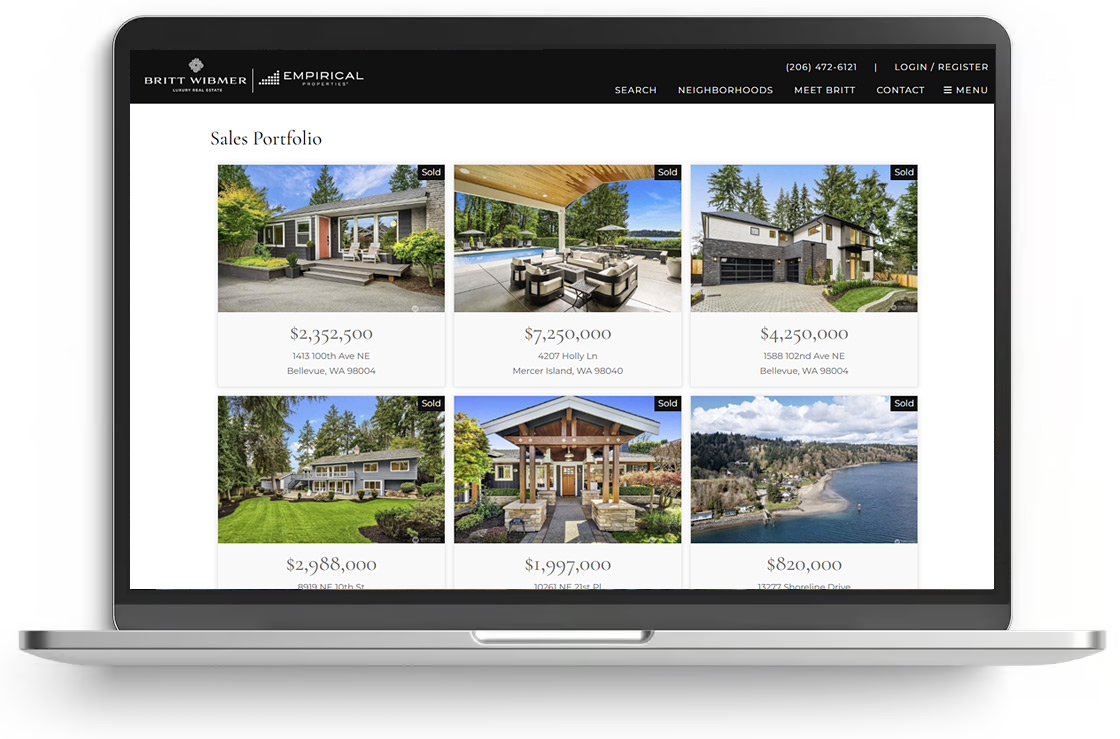
- A professional agent bio that doesn’t just list your years in the business, but explains your designations and what they mean. Don’t just say “CRS” — explain that a Certified Residential Specialist designation is held by fewer than 3% of all Realtors®, and what it means for the people you represent.
- Clear display of your license number and any state regulatory affiliations.
- Regularly published market reports drawing on local MLS data, with your professional interpretation of what the numbers mean for buyers and sellers. Use automated market report pages to support your interpretations and add value.
- Educational guides that tackle complex topics — first-time homebuyer processes, how to navigate a short sale, what to know about new construction contracts — written in plain language that shows you can simplify hard things for your clients.
One important note: all content on your site should be attributed to a named, identifiable author. Generic content published under no byline, or under a generic “Admin” username, loses significant credibility in Google’s eyes. Aim to have your name and photo should appear on every piece of content you publish.
Authoritativeness: What Others Say About You as a Real Estate Agent
Authoritativeness is the one E-E-A-T signal you can’t simply create yourself — it has to be earned through recognition from others. This is where your reputation outside your own website comes into play.
Think of it this way: Experience and Expertise are what you say about yourself. Authoritativeness is what others say about you.
What builds authority:
Media mentions — being quoted in a local news article about the housing market, contributing a column to a regional business journal, or appearing on a local TV segment discussing real estate trends. When a journalist calls you for a market quote, that’s not just good PR — it’s a credibility signal Google can observe and measure. Make sure these placements get documented on your website with links to the original coverage wherever possible.
Backlinks from credible sources — when your brokerage’s website, a local chamber of commerce, a community organization, a mortgage lender you partner with, or a respected industry publication links to your site, that link transfers authority. Not all backlinks are equal. A link from your local newspaper’s real estate section carries far more weight than a generic directory listing. Focus on earning links that reflect genuine third-party recognition of your expertise.
Strategic professional partnerships — co-creating content or earning mentions from complementary service providers is an often-overlooked authority builder. When a respected local mortgage broker references your market analysis, a real estate attorney links to your first-time buyer guide, or a title company features you in their newsletter, those associations signal that established professionals in your field view you as a credible resource. Our website design offers a Service Directory page where you can list businesses you recommend and start reciprocal linking opportunities.
Industry recognition — awards, transaction volume rankings, membership in selective professional organizations, or inclusion in “top producer” lists from your MLS or brokerage. These don’t need to be national honors. Local recognition — a regional “Best of” award, a recognition from your board of Realtors®, or a Top Agent designation from a local publication — carries genuine weight and is far more achievable.
Speaking engagements — presenting at a first-time homebuyer seminar, leading a community panel, participating in an industry event, or even hosting your own educational workshop. Speaking opportunities signal that others trust your expertise enough to put you in front of an audience. If you’ve presented anywhere — even a small local event — mention it on your website.
Guest contributions to publications — writing a contributed column for a local business journal, submitting a market commentary piece to a community newspaper, or authoring a guest post for a regional real estate publication. These placements establish you as a named expert source and typically come with a byline that links back to your site.
Active, substantive presence on professional platforms — a well-maintained LinkedIn profile with genuine thought leadership content, engagement in professional real estate communities, and consistent sharing of original market insights contributes to your authority profile across the web. Digital authoritativeness increasingly extends to social proof and professional network presence. This is especially true as AI tools pull from these platforms when deciding who to surface as a credible voice.
One important note: you don’t need national fame to build solid authoritativeness. Becoming the recognized local expert in a specific neighborhood, city, or property type can be just as powerful — and far more achievable. Local authoritativeness matters particularly for real estate agents serving specific geographic markets. Becoming the recognized expert on particular neighborhoods, districts, or property types within your service area builds focused authority that may be more achievable than broader national recognition. If you’re the person the local newspaper calls when they want a quote about the condo market downtown, that is genuine authority — and Google recognizes it.
A practical way to start building authority:
You don’t need to pursue all of these at once. Pick one channel and work it consistently. Reach out to a local real estate reporter and offer yourself as a source for future stories. Submit a contributed piece to your city’s business journal. Host a free first-time buyer workshop at a local library and get it listed on the library’s event calendar. Each of these generates external recognition that strengthens your authority profile over time — and they compound.
Trustworthiness: The Non-Negotiable Foundation
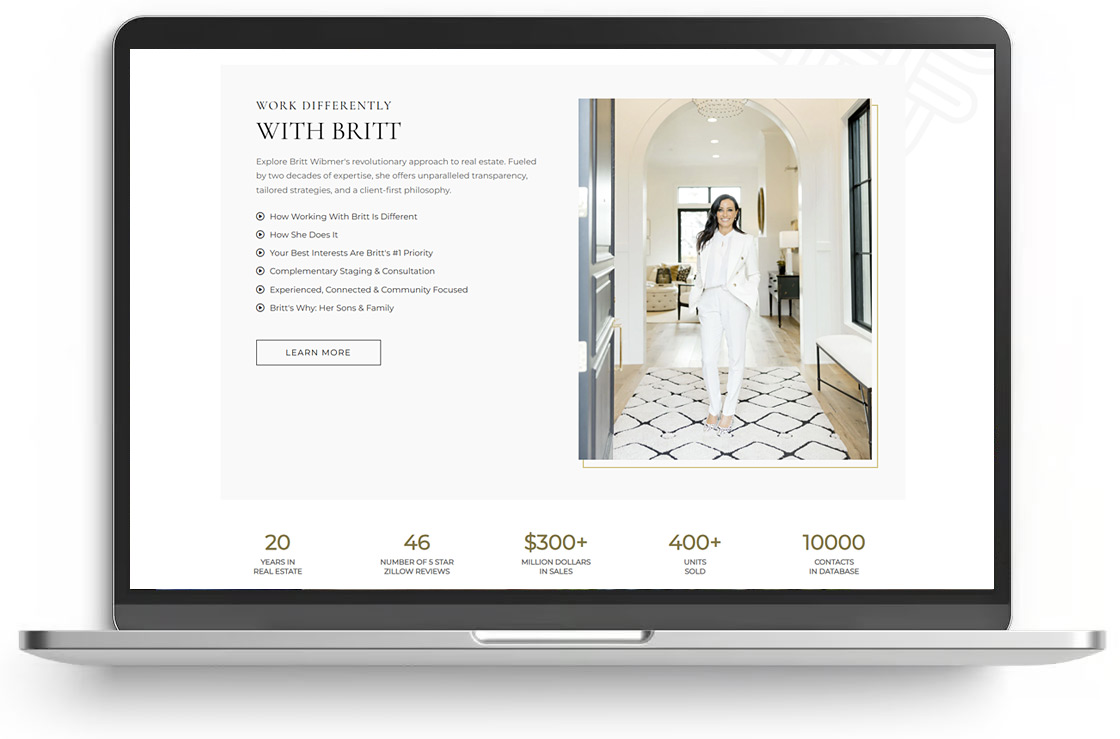
Trust underpins everything else. Google views trustworthiness as the most critical E-E-A-T element, especially for YMYL content. A real estate agent or broker can have impressive credentials and strong media coverage. If their website sends distrust signals, it undermines it all.
What builds trust:
- HTTPS encryption — your site must have a valid SSL certificate. If your URL starts with “http://” instead of “https://”, that is a problem you should fix immediately. A free SSL certificate is provide when we build your site!
- Consistent, accurate contact information — your name, phone number, email, and office address should appear on every page, and they should match what’s on your Google Business Profile, Zillow profile, and MLS listings.
- Honest, accurate content — outdated listings, incorrect market statistics, and broken links all erode trust. A quarterly content audit is worth the time.
- Authentic reviews — display real client reviews, with specific details, linked back to third-party platforms like Google, Zillow, or Realtor.com so visitors can see unfiltered feedback.
- Responding professionally to reviews — including the occasional negative one — demonstrates accountability.
- Clear policies — a straightforward privacy policy and terms of service page show that you take data protection seriously. They don’t need to be written in legalese; plain language is better.
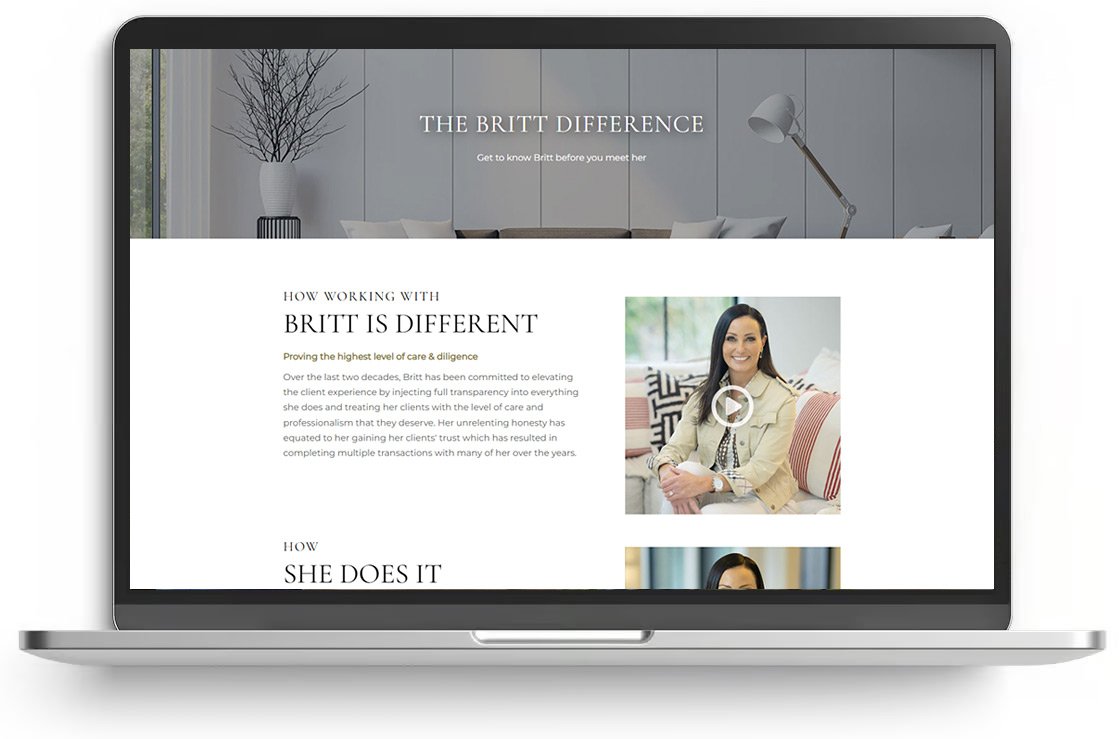
- Professional visuals — a high-quality, current headshot, clean website design, and professional photography send trust signals before a visitor reads a single word. If you haven’t discovered yet, we build agent and broker websites with IDX. See for yourself in our portfolio. Read what your clients have to say – client testimonials.
E-E-A-T and AI Search: What It Means for Real Estate Agents
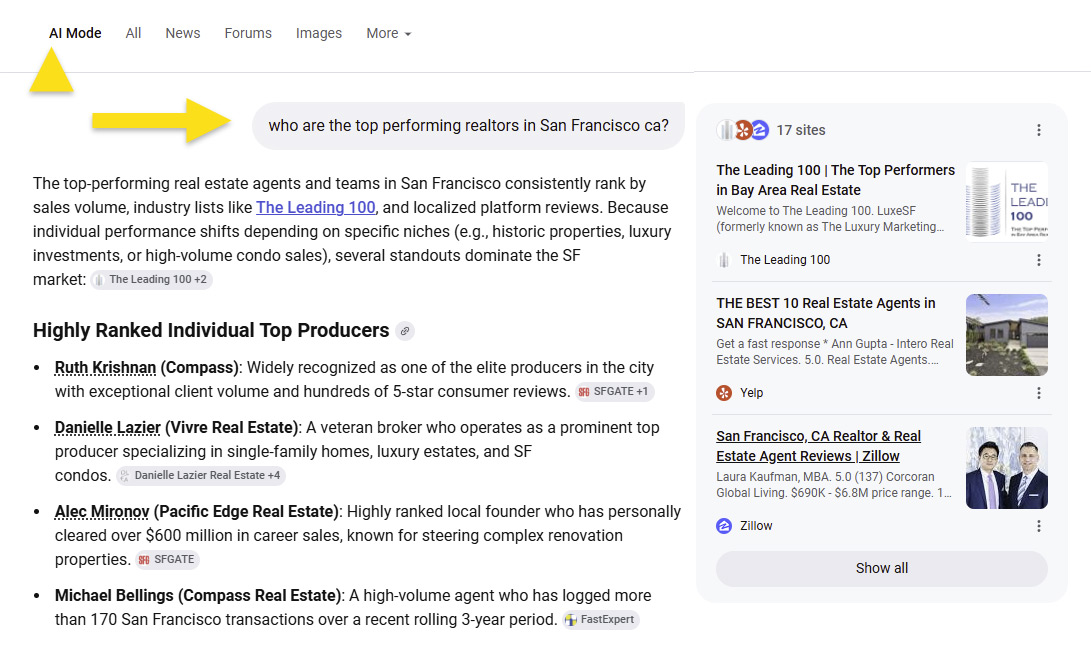
Homebuyers and sellers are turning to AI to find real estate agents, which means it’s crucial to future-proof your business today. What many agents and brokers may not realize is that the same SEO signals that boost your website’s ranking on Google are also used by AI tools to recommend you and cite your content.
When a potential client asks ChatGPT, Google’s AI Overview, or Perplexity “who is a good real estate agent in [your city]?” or “what should I know about buying a home in [your neighborhood],” these AI tools are scanning billions of indexed web pages. They aren’t just looking for keywords; they’re actively evaluating the quality and reliability of the content they find using criteria that closely mirror Google’s E-E-A-T (Experience, Expertise, Authoritativeness, and Trustworthiness) framework.
This means agents who have already invested in creating genuine, experience-rich, and credible content—like detailed neighborhood guides, blog posts about the local market, and testimonials from happy clients—are far more likely to appear in these AI-generated answers. Their content demonstrates firsthand experience and builds trust, making them a more authoritative source in the eyes of the AI. Appearing in these answers is a powerful form of social proof, positioning you as a top expert in your area. This channel is growing rapidly and will only become more important as more users turn to AI for recommendations.
Building your E-E-A-T today is an investment in being found tomorrow, across every search surface, both traditional and AI-driven.
A Practical E-E-A-T Starting Point for Your Real Estate Website
It can feel overwhelming to look at all four pillars at once. Here’s how we recommend approaching it:
Start with a quick audit. Look at your site and ask:
- Is my bio page genuinely compelling, with real credentials and a clear specialty?
- Do I have neighborhood-specific content that shows I know my local market deeply?
- Is my contact information consistent everywhere it appears online?
- Are my client testimonials specific, recent, and linked to third-party review sources?
- Does my website use HTTPS?
Then build one pillar at a time. Most agents and brokers have some foundation in place but gaps in others. Pick the weakest area and focus there for 30-60 days before moving on.
And keep it current. E-E-A-T is not a one-time project. Market reports should be refreshed quarterly. New client stories should be added regularly. Credentials should be updated as you earn them. Google rewards websites that demonstrate ongoing engagement and accuracy.
How Your Real Estate Website Supports E-E-A-T
Your IDX-powered website is already doing important work — providing up-to-date listing data, keeping visitors on your site longer, and giving buyers a reason to come back. That’s a real advantage, and it’s the foundation everything else builds on.
But listings alone don’t build E-E-A-T. What transforms a website from a listing search tool into a true authority hub is the layer of experience, expertise, and genuine content built around it. The good news: the right website should already give you the tools to do this, not leave you guessing how.
This is exactly how we approach things at IDXCentral. We build WordPress real estate websites with E-E-A-T in mind from the ground up, not as an afterthought:
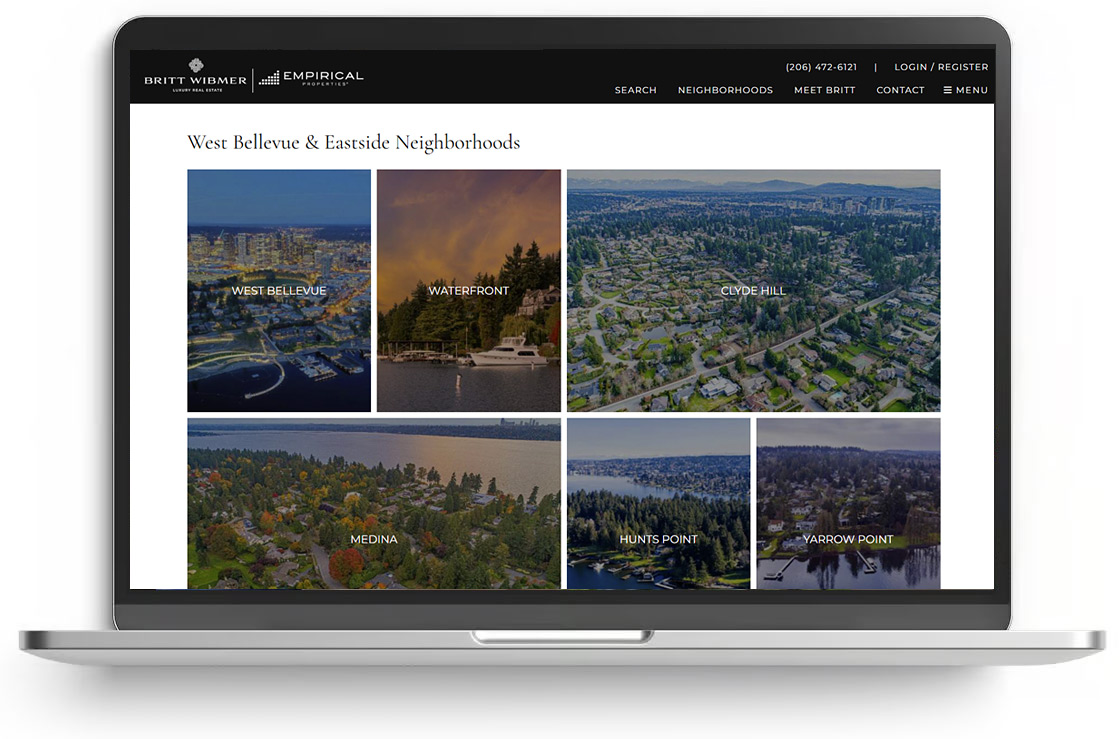
- Neighborhood Profiles give you a dedicated place to share the local knowledge that proves real Experience — the kind of street-level detail that only an agent working a market every day actually knows.
- A built-in Blog Page makes it simple to publish market reports, buyer and seller guides, and your professional take on local trends — the Expertise content that establishes you as a knowledgeable source.
- Client Testimonials and Just Sold Stories let you showcase real outcomes and real reviews in a format Google — and prospective clients — can see and trust, building both Authoritativeness and Trustworthiness.
- An Agent Roster with Agent Bios and Community Guide round out the picture, giving teams and brokerages a way to highlight every agent’s credentials and connect visitors to the broader local context that supports your authority.
- Website ownership is key — Realtor Website Ownership Critical for Long Term Success. As your efforts come to fruition have that peace of mind you own your website now and into the future.
These aren’t bolt-on add-ons. They’re built into the websites we create, so the E-E-A-T strategy outlined in this article isn’t a separate project — it’s something your site is already set up to support.
The IDX solution gets people to your website. The content layer — paired with the right website architecture — is what makes Google, and clients, trust you when they get there. We welcome you to peruse our WordPress real estate website designs.
Curious whether your current website has what it needs to build strong E-E-A-T signals? Reach out to our team for a free Website + IDX Fit Check — no sales pitch, just honest guidance on where you stand. Contact us.
Call 888-577-8027 or contact us
